Zeta Wins
A major charter school project gets one step closer.
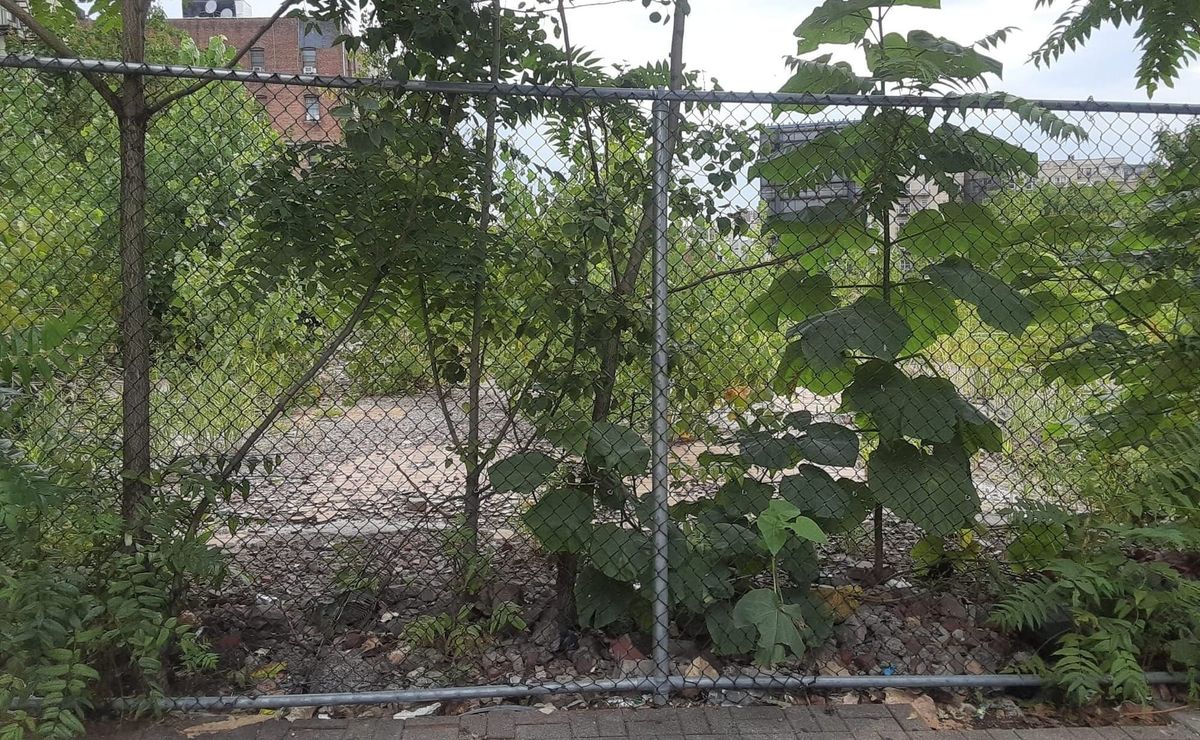
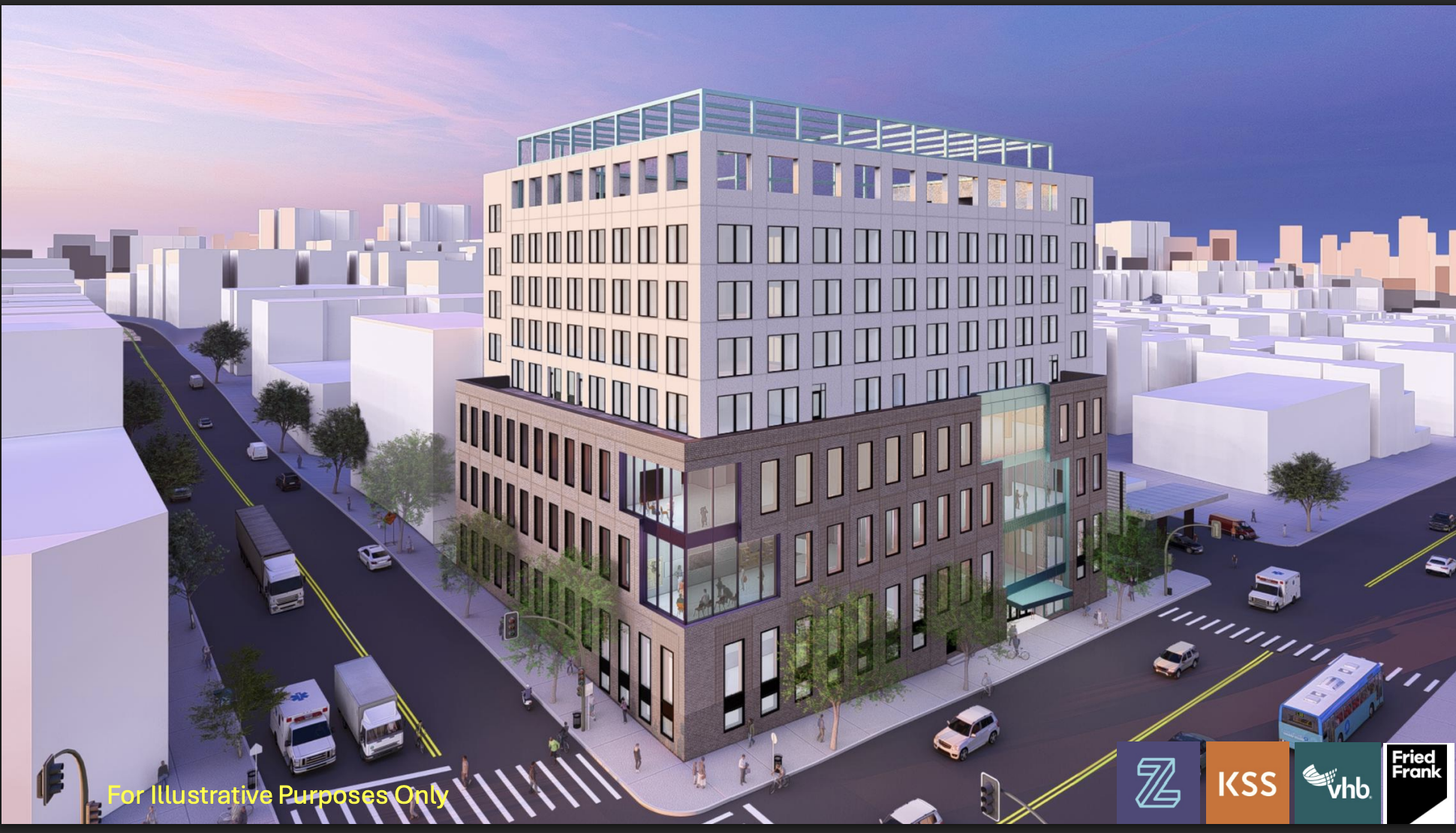
For months, Zeta Charter Schools has been trying to build an eight-story campus at the corner of 181st Street and Broadway. But a zoning issue put the proposal in limbo — and opened the door for intense opposition from Community Board 12, the police precinct, and other local leaders, who think the site will become a traffic mess.
On Monday, a city zoning board gave Zeta permission to build. Zeta hopes to open the campus in time for the 2029-2030 school year, with space for approximately 1,050 middle- and high-school students.
What, exactly, is Zeta bringing to the neighborhood? And will they be good neighbors? On a Zoom call this week, I asked Kendall Quan, the principal of Zeta’s high school, how she plans to win over skeptics in the community. “I don’t expect to just come in and have respect,” she told me. “We build the trust over time.”
The Origins
Back in 2016, a charter-school executive named Emily Kim gave a talk at a conference at NYU. The city’s public schools, she said, were failing their students, weighed down by a “massive educational bureaucracy” and by union leaders whose interests were “so at cross-purposes with improving student performance that there is actual harm to children.”
Enter charters: free schools that are run by independent organizations, but underwritten with public dollars. At the time, Kim was an executive at Success Academy, a charter network that has attracted controversy for its strict discipline. “We actually feel a deep sense of moral obligation to continue to grow as long as there are 20,000 children on our waitlists, and as long as New York City public schools continue to fail a quarter of their student population,” she told the audience at NYU.
The next year, in 2017, Kim launched Zeta, seeming to pitch the school as a softer-touch sibling to Success. (Success uniforms are a vivid orange; Zeta’s palette is a tranquil purple.) Two-thirds of Zeta’s senior leadership team previously worked at Success. When I asked Quan — also a former Success employee — how the charter networks differ, she mostly skirted the question, saying that “Zeta centers love as the core of everything that we do.”
The network grew fast. Zeta now has 14 schools and around 5,000 students. As its initial cohort of students aged up, the organization began looking to open its first high school. They settled on the site at 181st and Broadway, which would be Zeta’s first permanent outpost in the Heights. Meanwhile, a temporary location on 164th Street welcomed students in August.
Charter Growth
A lot of charters have sprouted in Upper Manhattan, serving mostly Black and Latino students from working-class families. Data from the city shows that charter enrollment in District 6 surged between 2019 and the 2024-2025 school year, while enrollment in traditional public schools dropped.
The appeal to parents seems pretty clear. Zeta has shiny new buildings. The school day is longer than public schools. Students also tend to score much higher on state tests than their peers at neighborhood schools. Zeta’s Inwood campus, for example, posted higher test scores than P.S. 187 during the 2024-2025 school year
Earlier this year, I spoke with several Zeta parents at an event on Broadway, and they described feeling impressed with Zeta’s facilities and rigor. (The event was carefully stage-managed: Kim was there, as were representatives of Zeta’s high-end communications firm.)
I asked Quan whether she would describe Zeta as a “no-excuses” school — referring to the kind of discipline-centered, sweat-the-small-stuff pedagogy that many charters have become famous for. “I don’t think ‘no excuses’ is quite right,” she said. “I do invest heavily in systems and routine.”
The politics around charter schools are messy. When students migrate from public schools to charters, that can weaken the public schools they leave behind. A lot of progressives see charter schools as anti-union, or worry about privatizing public education.
Some charters also get a reputation for favoring certain kinds of students. “Traditional public schools welcome and support all students. Too many charters do not,” wrote Alison Gendar, a spokesperson for the teachers’ union, in an email to me.
City data shows that Zeta’s Inwood campus has fewer English-language learners and fewer students with disabilities than District 6 schools as a whole. In an email, a Zeta representative wrote that their "schools are intentionally designed to be inclusive and support students of all backgrounds and abilities."
Traffic and Construction
Concerns about charters may be lingering in the background of the opposition to the new Zeta campus. But most of the public debate has been about traffic. Broadway and 181st is already busy. The arrival of 1,050 students, plus staff, each day is likely to seriously affect a major intersection.
In a presentation to Community Board 12, a Zeta representative estimated that 4 percent of students, or 42 kids at full capacity, would arrive by car. Quan told me that “fewer than 10” parents currently drive their kids in the morning. But that’s for a much smaller campus, without younger middle school students.
The city zoning board acknowledged those concerns, and Zeta has agreed to make some changes to the design of the building, including moving the entrance from Broadway to 181st Street. But during the hearing on Monday, a board official suggested that the zoning issue at hand — the fact that a small portion of the lot is zoned for “automotive and other heavy commercial services” — was relatively minor.
The zoning board’s decision was unanimous.
A statement from Community Board 12 described members as “deeply disappointed” by the zoning officials’ decision and urged Zeta to work with the community board to address traffic and safety concerns.
I emailed community board chair Anthony Viola to ask if there were routes to appeal the decision or register objections. “The Board will continue to explore all its options, but no final determination has been made at this time,” he wrote back.
It’s not clear when construction will begin, and a Zeta representative declined to share details about how the organization plans to pay for the new campus, or how much it will cost to build.
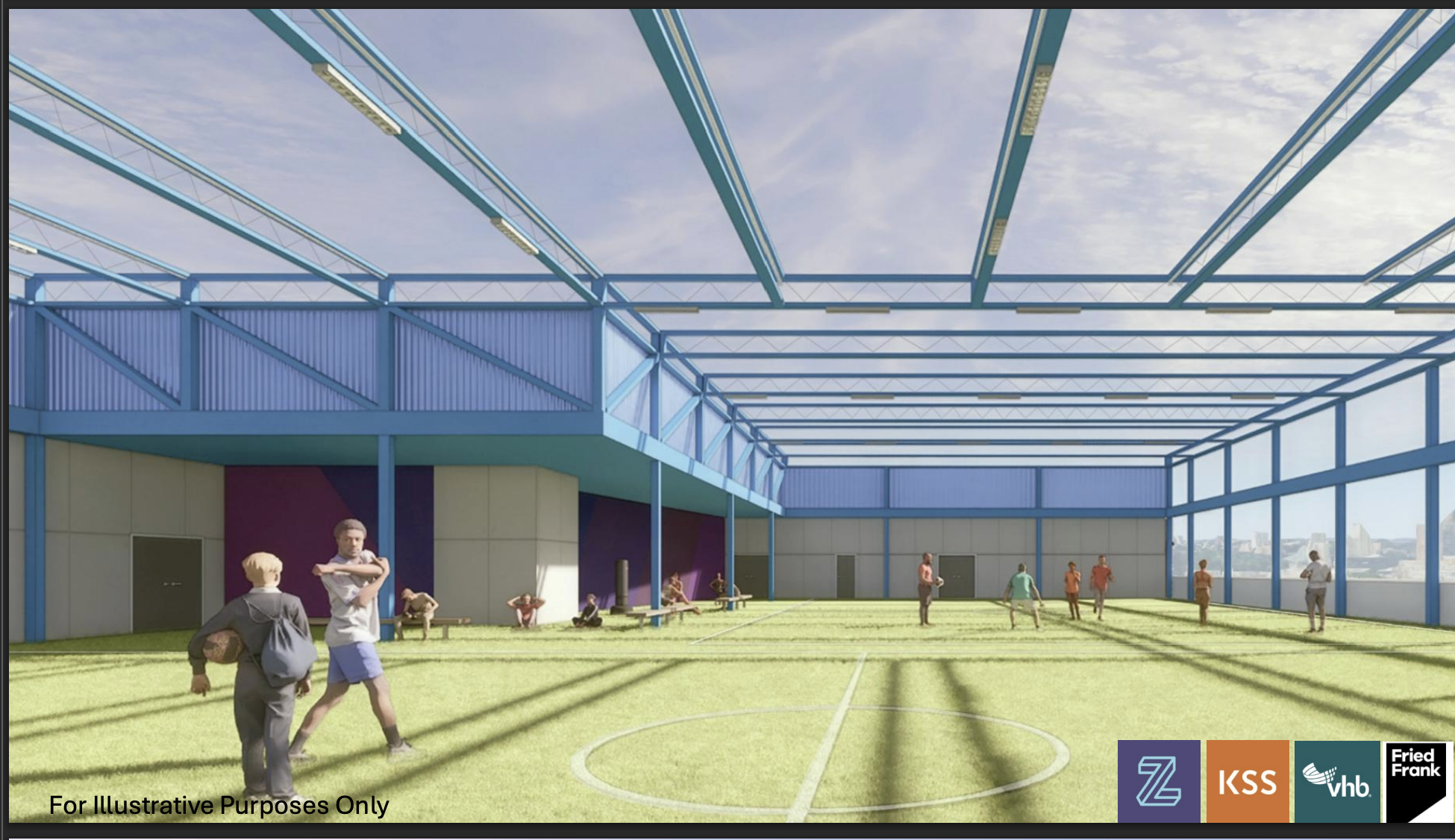
The lot was once a historic theater. It’s at the heart of the neighborhood. I asked Quan whether the new building — which will include a black-box theater, a rooftop playing field, and other amenities — would ever be open for use by community groups. She said she’d be interested in hearing proposals. But she didn’t make any promises.
(Disclosure: I have children enrolled in a local public school.)
Have a story tip? Email mhschulson@gmail.com, or message me on Signal (Schulson.17) or WhatsApp (646-279-6952).