Conservancy Revamp
What's next for Fort Tryon Park?
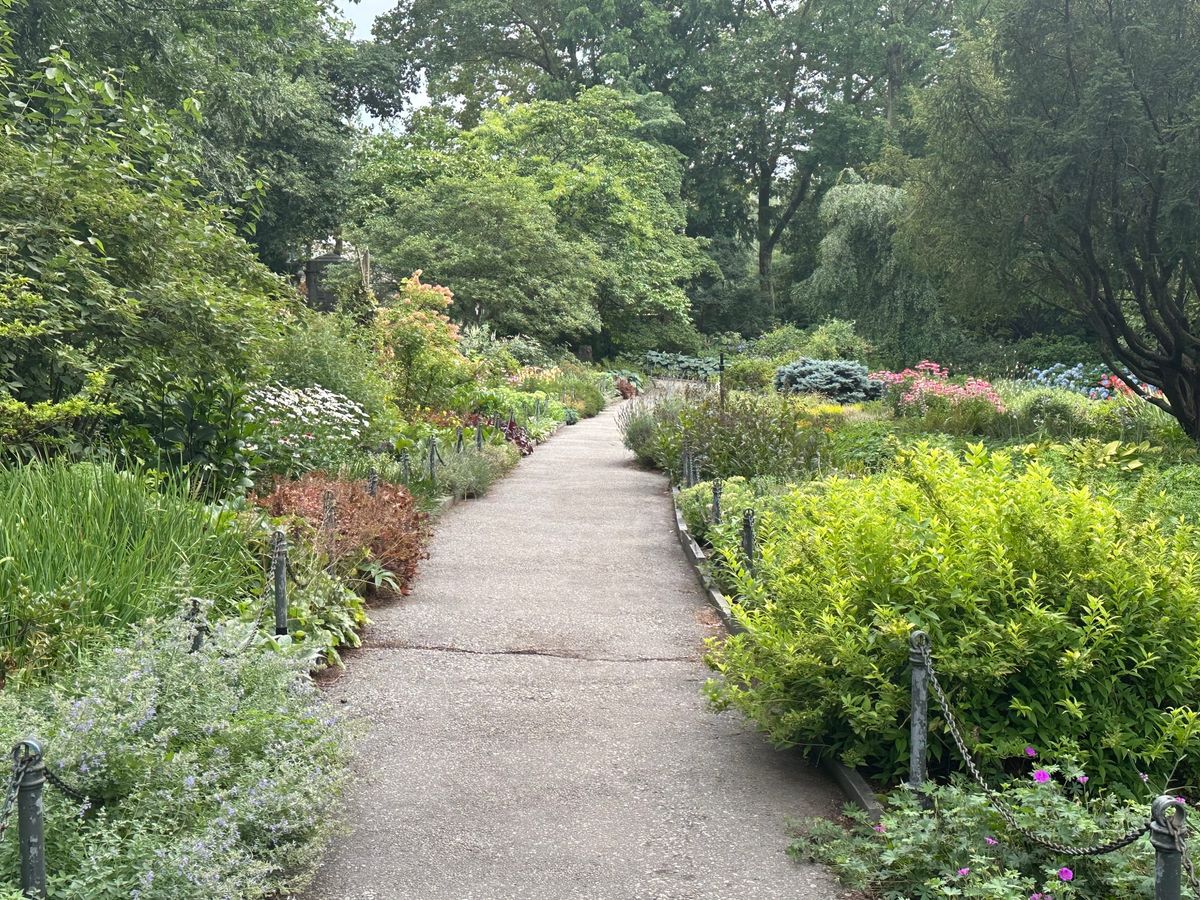
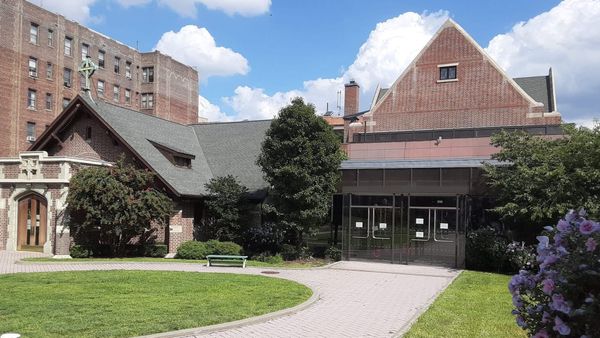
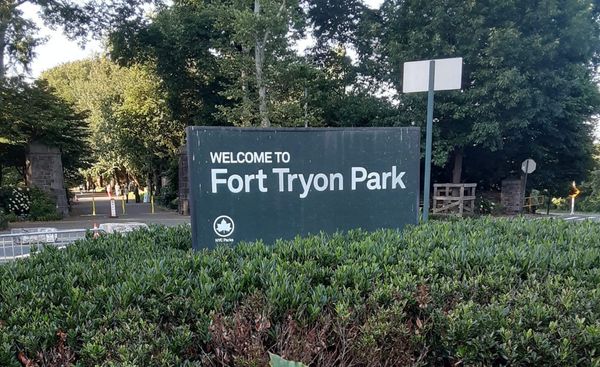
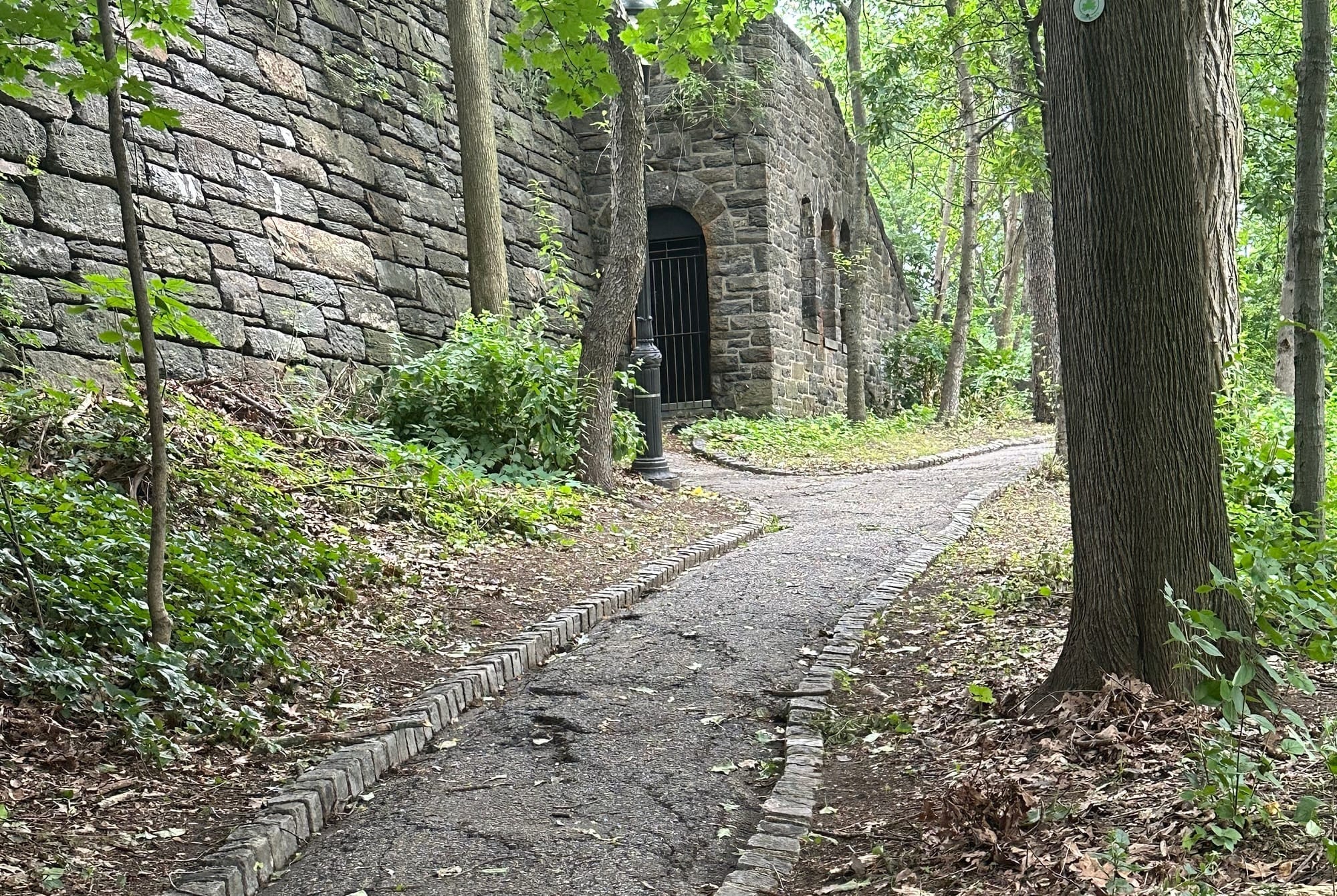
Fort Tryon Park is an uptown gem, but parts of the Olmsted-Brothers-designed property are in poor condition. Paths are buckled and cracked. Staircases lack railings. Sections of woodlands are overgrown with invasive species. Up near the Cloisters, an entire restroom-and-office facility, set into medieval-looking walls and just steps away from priceless art, has been shuttered for years.
The Fort Tryon Park Conservancy, the nonprofit organization tasked with supporting the park, has so far lacked the resources and personnel to address many of these issues.
Is that about to change? The Conservancy recently hired Adrian Benepe, who served as Parks Commissioner under Mayor Michael Bloomberg, to a full-time role as its managing director and chief development officer. He’s a big deal: Most recently, he ran the Brooklyn Botanic Garden, which has a roughly $30-million-per-year budget.
The Conservancy’s leaders hope that Benepe can bring new resources to Fort Tryon Park. But to understand how we got here, you have to understand a bit more about how parks work in our city and in our neighborhood.
The Trust
Back in 1980, as New York City public parks crumbled from lack of public investment, a group of people founded the Central Park Conservancy to bring more resources into Manhattan’s most famous park. Since then, dozens of these nonprofits have popped up across the city, supplementing the city's limited park spending with private dollars.
Among them is the Fort Tryon Park Conservancy. The organization was formed back in 1998, in part through the efforts of the renowned sex therapist (and neighborhood celebrity) Ruth Westheimer. For years it was called the Fort Tryon Park Trust.
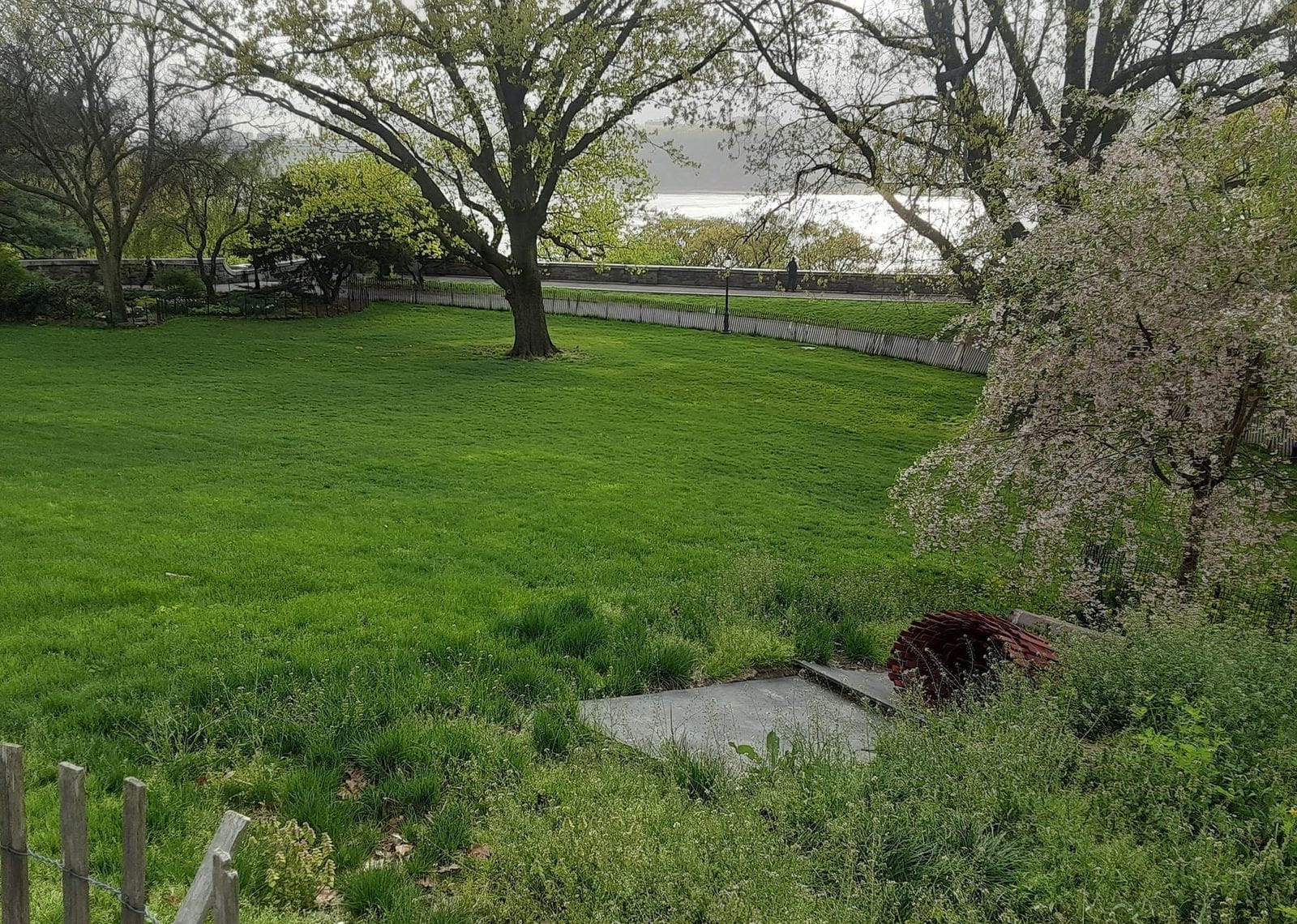
The organization hosts free public programs. It pays the salaries of a full-time and part-time gardener for the park. And it has helped underwrite larger projects, including the reconstruction of the Javits Playground and the recent overhaul of Billings Lawn.
Some conservancies actually run their parks — that’s not the case for Fort Tryon — and some of them are pretty big. The Riverside Park Conservancy has an annual budget of more than $10 million. Fort Greene Park, Brooklyn Bridge Park, and Van Cortlandt Park all have nonprofit partners with annual budgets north of $1 million. Many of these groups have full-time staff.
The Fort Tryon Park Conservancy has never reached that level. Its budget is smaller than some peer conservancies. Until recently it only had part-time staff, and it has never had a full-time leader: The executive director has always been the Northern Manhattan Parks Administrator, a city employee who oversees 35 NYC Parks properties in addition to running the nonprofit.
All of that, people close to the park say, has limited what the Conservancy can do. “Because of our part-time status, we were in a holding pattern,” said Jana La Sorte, the executive director of the Conservancy and the Northern Manhattan Parks Administrator.
“It was very clear that we needed to jump up a level,” she told me.
Last year, Fort Tryon Park turned 90, and the Fort Tryon Park Trust’s leaders took the opportunity to rebrand. They changed the name from “Trust” to “Conservancy.” They’re preparing to debut a new logo. And they got ready to make a big hire.
Fort Tryon is in some ways small potatoes for a guy like Benepe. But he has a long history in the neighborhood. He helped found the original Trust back in 1998, when he was a senior NYC Parks official. And he has served on the Conservancy’s board. “I've always loved the park. It's always been one of my favorite parts of the city,” Benepe told me.
His job now is to build out the organization's board and bring in new revenue.
An Unusual Structure
What does the financial picture look like right now? It’s hard to tell from public records because of the organization’s quirky structure.
Unlike the city’s other park conservancies, trusts, and alliances, the Fort Tryon Park Conservancy is not an independent 501(c)3 nonprofit. Instead, it has something called a fiscal sponsorship, meaning it’s administratively housed by a larger nonprofit, the City Parks Foundation.
Typically, fiscal sponsorship is a tool for fledgling nonprofits, and it’s an uncommon arrangement for an organization as large and as old as the Fort Tryon Park Conservancy. Two veterans of the parks-nonprofit world told me the arrangement could give some funders pause.
Jeff Bauml, the board chair, told me they’ve kept the set-up because it works: The City Parks Foundation manages the Conservancy’s endowment, payroll, and other administrative work, all for what Bauml described as a “very low fee” (although he wouldn’t tell me the actual amount). “Because of our size, the economics of having a fiscal sponsor work far better for us,” he said.
One consequence is that the Conservancy doesn’t file public tax records detailing its finances. Conservancy leaders, though, walked me through some big-picture numbers. The organization puts around $650,000 into the park each year. About $250,000 of that is spun off from the organization’s financial reserves, which total roughly $5 million. The rest comes from donations.
Neither Bauml nor Benepe would tell me how much Benepe is getting paid. (“For something like this, it’s modest,” said Benepe, who added that he’s technically a consultant and doesn’t receive benefits.)
Right now, the Conservancy is paying for Benepe by drawing on its financial reserves. And it’s hoping Benepe can orchestrate a substantial revenue boost in the years ahead.
The Work to Come
During conversations this week, Benepe and La Sorte outlined some of their goals for the park.
Most of the park’s trees have not received the care they need, and parts of the park's woodlands have not been maintained. The biggest need for the park’s physical infrastructure is “a woodland restoration and management plan,” Benepe said.
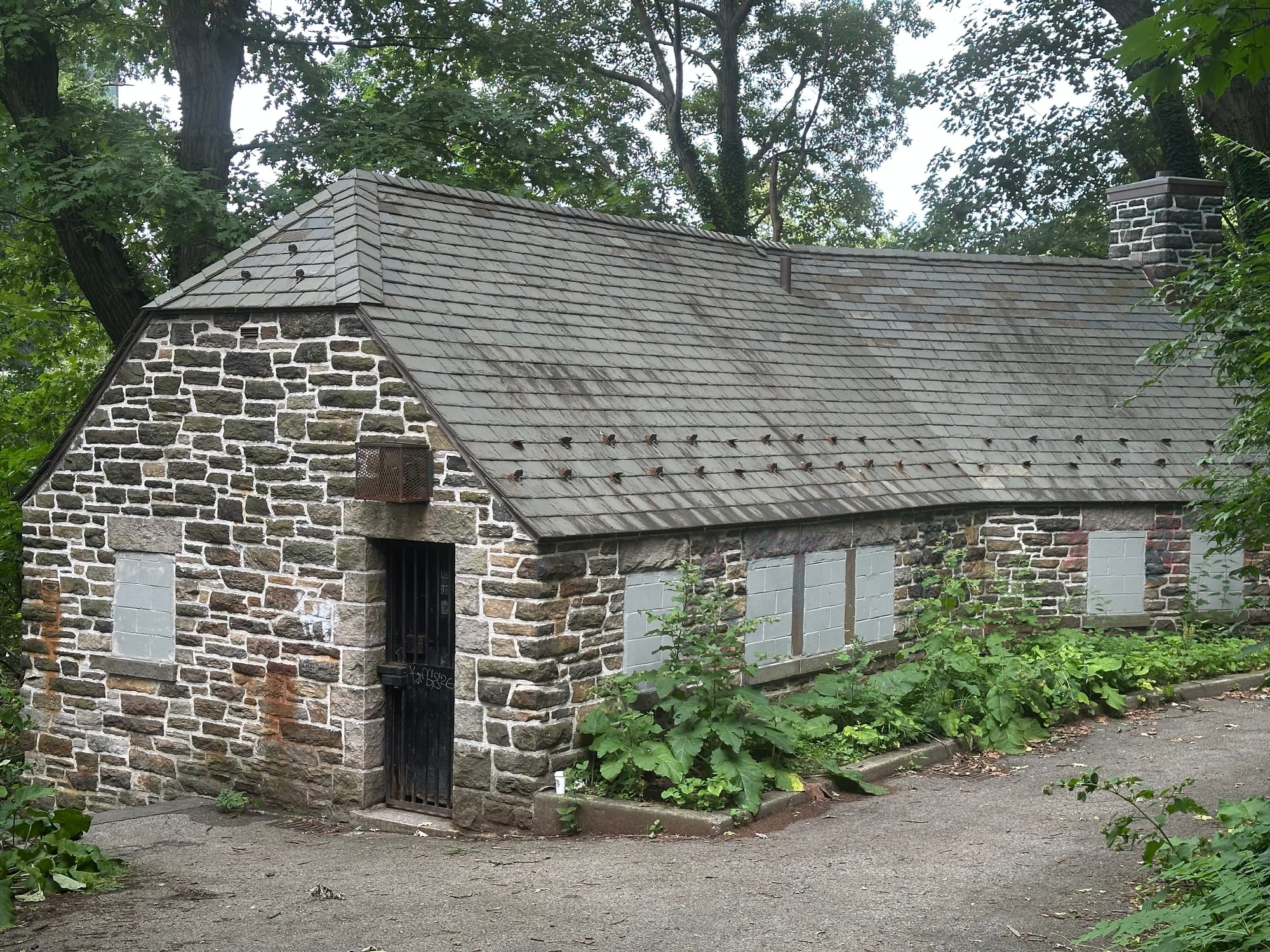
Benepe told me he wants to see a field office and reopened restroom facility in that area north of the Cloisters. The Conservancy plans to add lighting to the area known as Billings Arcade, and to install railings on some of the park’s staircases. He also mentioned an area directly to the south of Dongan Lawn, near Broadway. This spot was originally intended as another picnic lawn, Benepe said, and a beautiful stone building, called the Fieldstone Cottage, sits unused in the woods nearby. Benepe described the interior of the cottage as looking “post-apocalyptic.”
"That is an asset in the park waiting to be unlocked," La Sorte said. She and Benepe imagine it could one day house a visitor center.
What could this mean for other parks in the neighborhood? Conservancies have, in the past, sometimes been criticized for directing money to parks in wealthier neighborhoods, while others crumble without those added resources. Advocates for conservancies, on the other hand, say they’re expanding the pot for everyone by freeing up cash that NYC Parks can then spend in other parts of the system.
Here in the Heights, the Conservancy has occasionally directed some resources to other neighborhood parks. It’s possible, organization leaders said, that more of that could happen in the future. But the focus right now is on Fort Tryon Park.
“New York City's got parks all over the place, and everybody's begging for the same bit of food, so sometimes the city can't do it. We have to do it,” Bauml said.
Fort Tryon is “a great park,” Bauml said. “At the same time, it's 90 years old, and shit breaks, and you need to fix it.”